Reinventing Traditional Haggis
Mention haggis to someone visiting Scotland for the first time, and the reaction is often a mixture of curiosity and hesitation. Scotland’s famous national dish—traditionally made with sheep’s offal, oatmeal, onions, spices, and stock—has a reputation that sometimes overshadows what it actually tastes like: savory, peppery, warmly spiced, and surprisingly comforting.
Today, a new generation of Scottish chefs is giving haggis another identity. Rather than abandoning tradition, they’re taking its familiar flavors and using them in imaginative dishes that feel distinctly modern.
From Burns Night to the Modern Scottish Menu
Haggis will always be associated with Burns Night, when it is ceremoniously served alongside neeps and tatties—mashed turnips and potatoes—and accompanied by Robert Burns’ famous Address to a Haggis. But you no longer have to wait until January 25 to find it.
Across Scotland, and particularly in Edinburgh and Glasgow, haggis is appearing on menus in unexpected forms. You might encounter crispy haggis bonbons with a creamy whisky sauce, haggis croquettes with a crunchy golden crust, or bite-sized portions served as an elegant starter.
The contrast works beautifully. The crisp exterior gives way to the rich, earthy haggis inside, while sauces made with whisky, mustard, herbs, or creamy peppercorn add another layer of Scottish flavor.
Haggis Goes Global
Perhaps the most interesting transformation comes when chefs combine haggis with flavors borrowed from other cuisines.
Haggis works remarkably well as a filling. Its crumbly texture and generous seasoning make it a natural substitute for minced meat in everything from tacos and burgers to dumplings and pastries. You may even encounter haggis pakoras, where Scotland’s national dish meets the spices and cooking traditions of South Asia.
That fusion feels particularly at home in modern Scotland, where chefs increasingly draw inspiration from the country’s multicultural communities while continuing to celebrate Scottish ingredients.
The Rise of Vegetarian Haggis
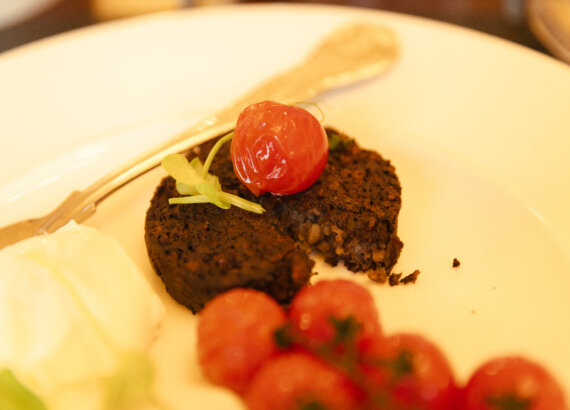
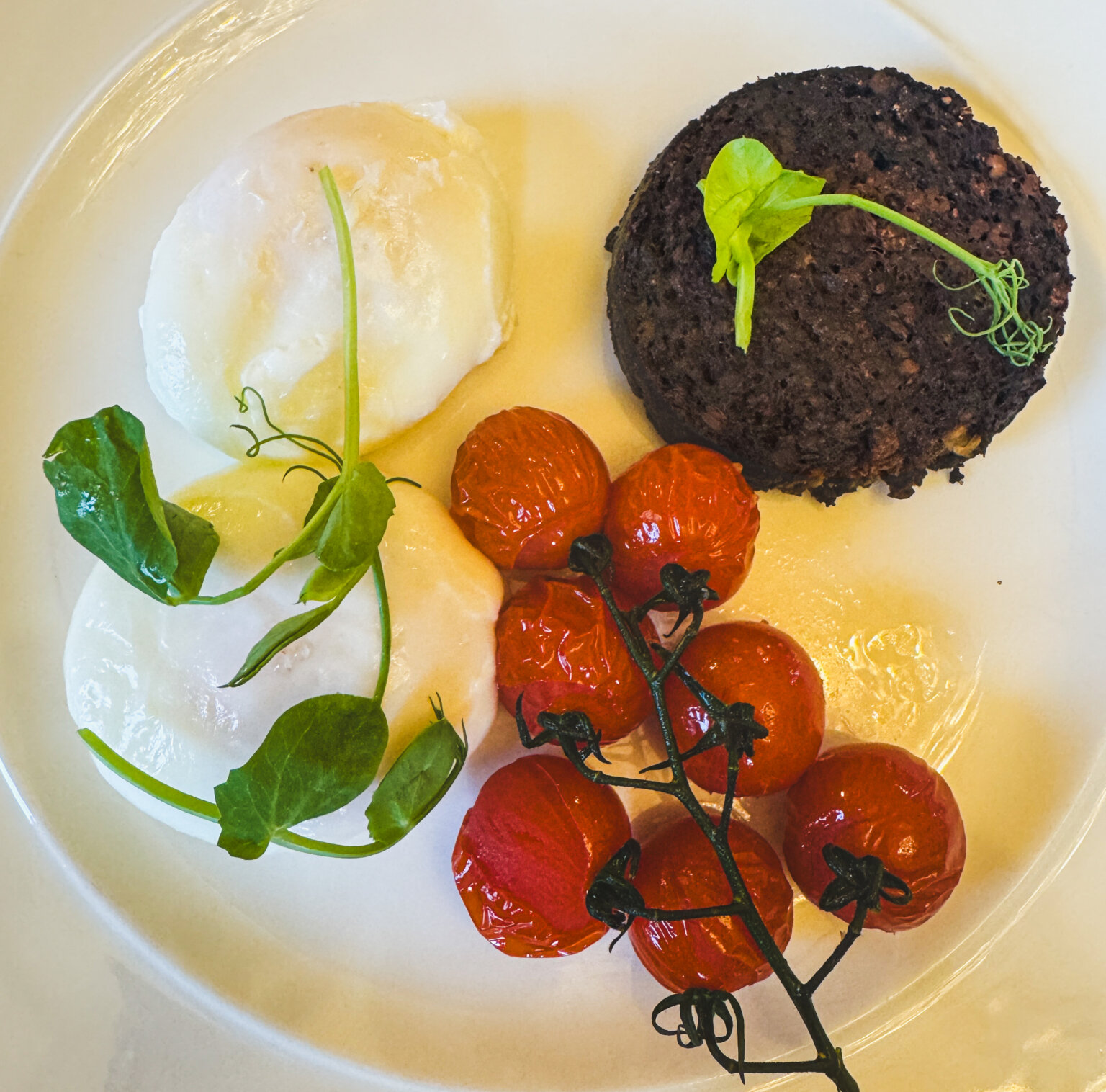
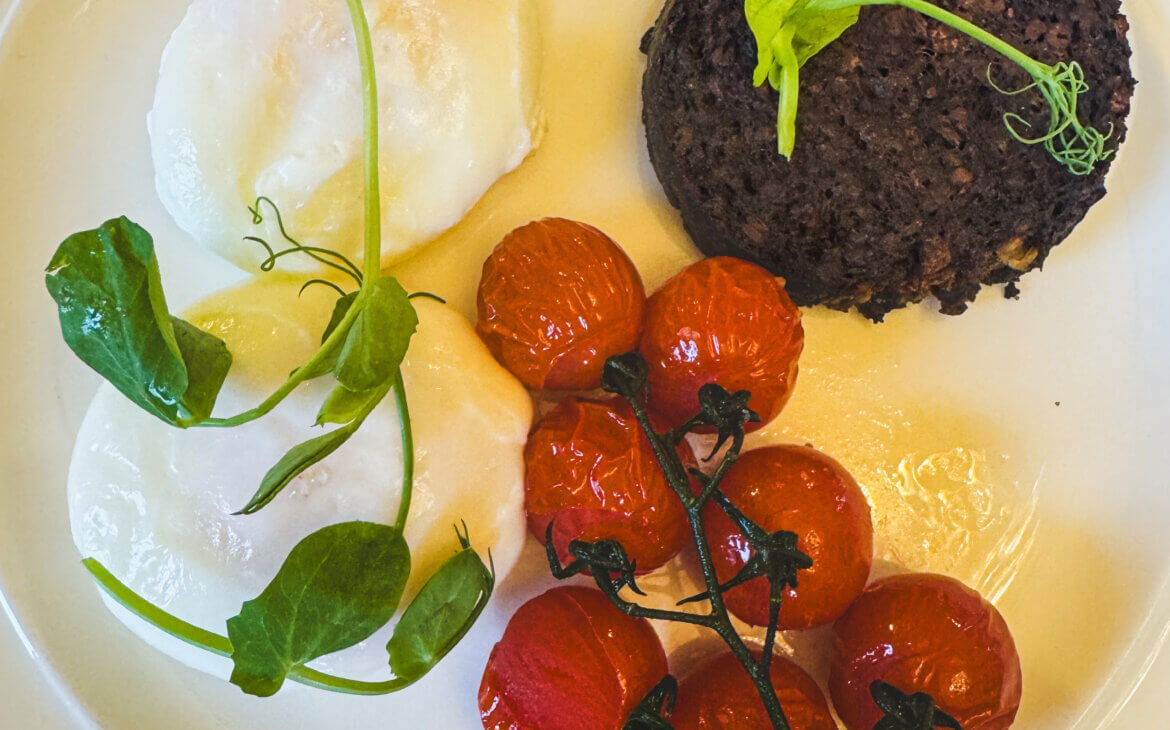
One of the biggest changes to haggis has been the arrival of vegetarian and vegan versions. Instead of offal, these recipes use combinations of lentils, beans, mushrooms, oats, nuts, vegetables, and spices to recreate the hearty texture and peppery character of the original.
Far from being merely an alternative for vegetarians, meat-free haggis has become a dish worth ordering in its own right. It can appear beneath roasted vegetables, inside pastries, alongside whisky sauces, or as part of a contemporary take on traditional neeps and tatties.